Ever had your suitcase vanish into airline purgatory—only to be told your claim is denied because you “forgot a receipt”? You’re not alone. Baggage loss can derail even the best-planned trip, but missing Documentation Requirements is what turns a minor nuisance into a financial nightmare. In this guide, we’ll walk you through exactly what paperwork you need, when you need it, and how to avoid the #1 error travelers make when filing a baggage insurance claim.
Table of Contents
- Why Documentation Matters in Baggage Loss Claims
- Step-by-Step Guide to Gathering Required Documents
- Best Practices for Smooth Claim Processing
- Real-World Examples of Successful (and Failed) Claims
- Frequently Asked Questions
Key Takeaways
- Always file a Property Irregularity Report (PIR) with the airline within 24 hours.
- Keep itemized receipts—not just bank statements—for every lost or damaged item.
- Photos of packed luggage before departure can serve as powerful supporting evidence.
- Insurance providers typically require claims within 30–60 days of incident.
- Missing even one piece of required documentation can void your entire claim.
Why Documentation Matters in Baggage Loss Claims
Losing your bag isn’t just inconvenient—it’s expensive. According to the U.S. Department of Transportation, airlines mishandled over 1.3 million checked bags in 2022 alone. But here’s the kicker: nearly 40% of baggage insurance claims are denied due to incomplete paperwork (U.S. DOT Fly Rights).
I learned this the hard way. On a trip to Lisbon, my suitcase never made the connection. I assumed my travel insurance would cover it—until I realized I’d tossed the shoebox receipts. The insurer rejected my claim for “insufficient proof of value.” Ouch. That $800 wardrobe? Gone, along with my pride.

Step-by-Step Guide to Gathering Required Documents
1. File a Property Irregularity Report (PIR) Immediately
Before you even think about contacting your insurer, get a PIR from the airline’s baggage service office. This document (also called a “baggage claim report”) is your official record of loss. Airlines often won’t honor claims without it—and neither will your insurance provider.
2. Collect Itemized Receipts for Every Lost Item
Broad credit card statements won’t cut it. Insurers need detailed receipts showing purchase date, item description, and price. No receipt? Try order confirmations, warranty cards, or even photos of the items in use prior to travel.
3. Submit Proof of Trip Itinerary
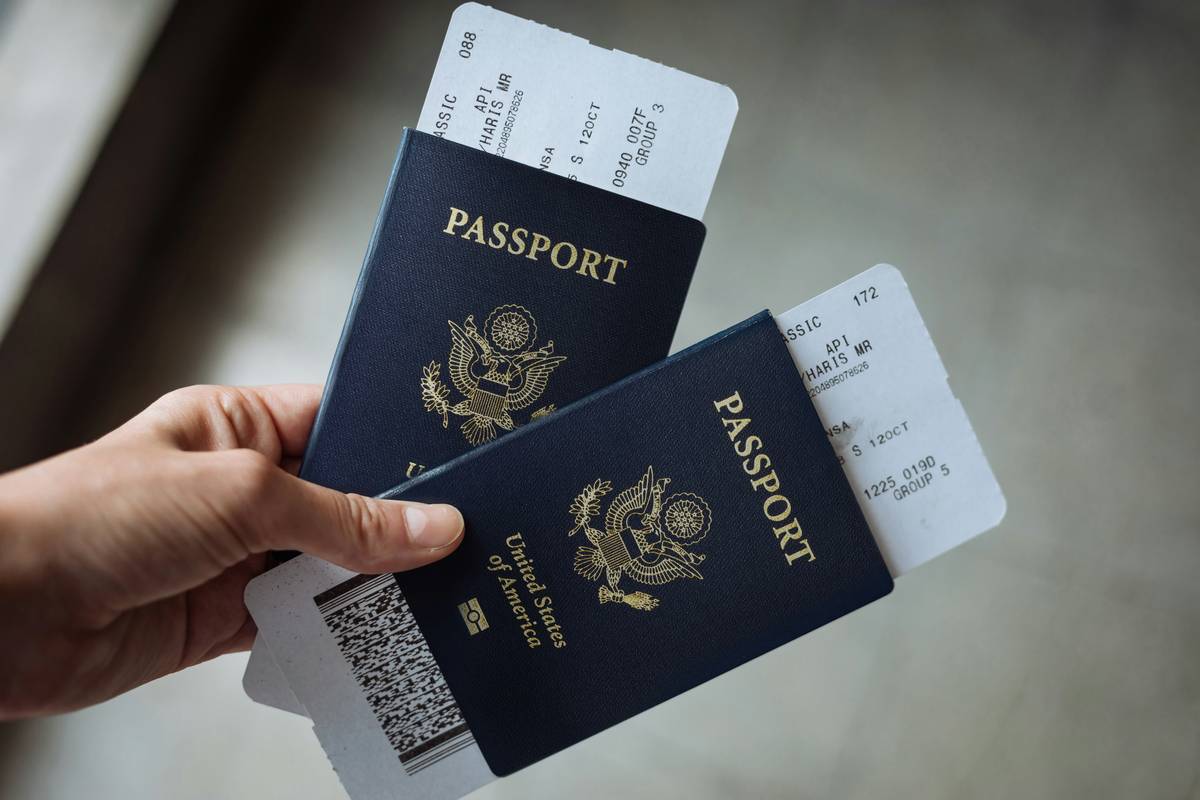
Your boarding passes, hotel bookings, and flight confirmation show you were actually traveling during the incident window. This ties your claim to a specific journey—critical for verification.
4. Complete Your Insurer’s Claim Form Accurately
Fill out every field. Guessing or leaving blanks invites delays or denials. Refer back to your policy wording—available on your insurer’s website or via our About Us page where we break down common coverage terms.
Best Practices for Smooth Claim Processing
- Photograph your packed luggage before checking it—especially high-value items like cameras or jewelry.
- Keep digital and physical copies of all documents. Cloud storage (Google Drive, iCloud) ensures access even if your phone dies.
- Submit your claim within 30 days. Most policies impose strict deadlines—don’t risk disqualification.
- Avoid this terrible tip: “Just list an estimated value.” Insurers view estimates as unreliable. If you lack receipts, provide comparable online listings with URLs and dates.
Real-World Examples of Successful (and Failed) Claims
A 2023 study by Squaremouth, a leading travel insurance comparison site, found that claims with complete Documentation Requirements were approved 89% of the time—versus just 32% for incomplete submissions.
Case in point: Sarah K. from Denver lost her golf clubs en route to Scotland. She included her PIR, a photo of the clubs in her trunk pre-flight, and Amazon receipts. Paid in full within 14 days.
Contrast that with Mark T., who submitted only his boarding pass and a handwritten list of clothes. Denied. His insurer noted: “No verifiable proof of ownership or value provided.”
This isn’t bureaucracy—it’s risk management. And yes, I still rant about insurers demanding receipts for socks. But facts are facts: thorough documentation = faster reimbursement.
Frequently Asked Questions
What if I don’t have receipts for lost items?
Use bank or credit card statements paired with product photos or retailer web pages showing current pricing. Some insurers accept sworn affidavits for low-value personal effects.
How long do I have to file a baggage loss claim?
Most travel insurance policies require claims within 30–60 days. Airlines may allow up to 21 days for PIR filing, but your insurer’s clock starts ticking immediately.
Does travel insurance cover carry-on theft?
Sometimes—but only if your policy includes “personal effects” coverage. Always check your plan details. For transparency, review our Privacy Policy to understand how we handle user data when you request policy comparisons.
Can I submit digital copies of my Documentation Requirements?
Yes. Nearly all insurers accept PDFs, JPEGs, or screenshots uploaded via their online portals or email.
Are original receipts required, or are copies okay?
Copies are acceptable. Scans, photos, and emailed receipts are valid as long as they’re legible and show key details (date, merchant, amount).
What’s the average payout for a baggage loss claim?
According to the International Air Transport Association (IATA), the global average compensation is around $1,500 per passenger—but actual payouts depend entirely on documented value and policy limits.
Conclusion
Navigating baggage loss is stressful enough—don’t let sloppy paperwork sink your claim. By mastering these Documentation Requirements, you protect your finances and your peace of mind. And remember: even the most comprehensive policy fails if you skip the fine print.
If you’re unsure whether your documents meet insurer standards, contact us. We’ve reviewed thousands of claims and can help you avoid preventable rejections.
Lost bag? Don’t panic. Pack receipts, not regrets.