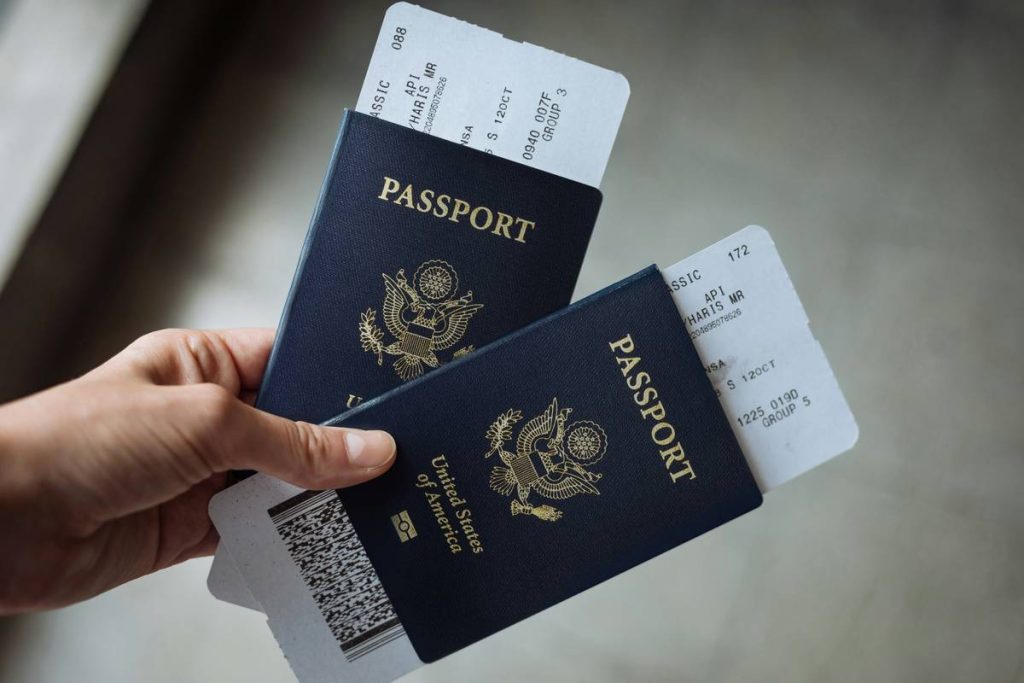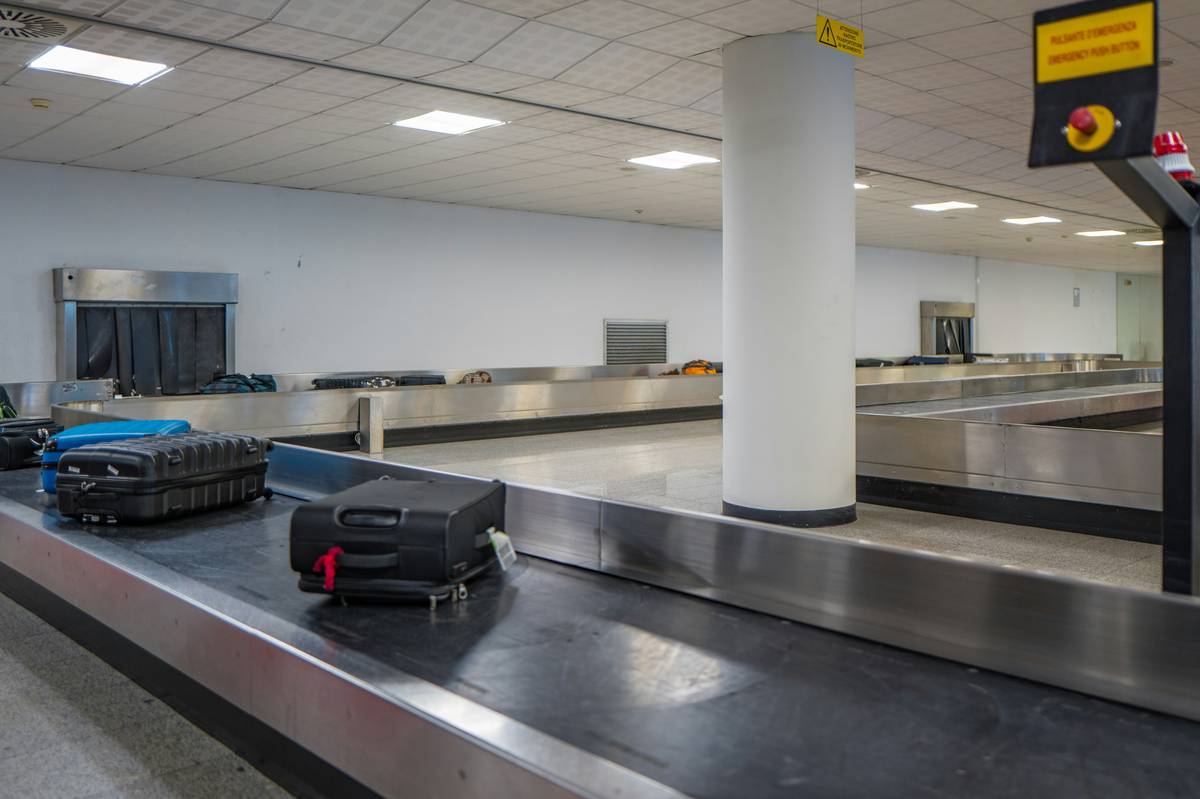
Ever watched an empty baggage carousel spin one too many times, heart sinking as you realize your suitcase—and everything in it—is gone? You’re not alone. Over 2 million bags go missing annually in the U.S. alone, according to the Department of Transportation. And while airlines may eventually locate your bag, what if they don’t—or worse, what if they deny your claim for Luggage Replacement Reimbursement? This guide cuts through the fine print and gives you the exact steps, insider tricks, and hard-won lessons to secure the compensation you deserve—without the runaround.
Table of Contents
- Why Luggage Replacement Reimbursement Matters
- Step-by-Step to Claim Success
- Essential Best Practices
- Real-World Case Studies
- Frequently Asked Questions
Key Takeaways
- File a Property Irregularity Report (PIR) immediately at the airport—delays hurt your claim.
- Keep receipts for everything you buy while waiting; they support interim expense claims.
- Travel insurance often covers more than airlines—and faster—especially for Luggage Replacement Reimbursement.
- Never exaggerate losses; insurers verify and deny inflated claims outright.
- Document everything: photos, item lists, brand names, and purchase dates.
Why Luggage Replacement Reimbursement Matters
Losing luggage isn’t just inconvenient—it’s financially destabilizing. A single checked bag might hold $1,500+ worth of clothing, electronics, and essentials. Airlines limit liability under international treaties like the Montreal Convention to roughly $1,700 per passenger, but proving value is on you. And if your flight wasn’t international? Domestic limits can be as low as $3,800—but again, only with documentation.
I learned this the hard way during a trip to Lisbon. My suitcase vanished, and I naively assumed the airline would “just cover it.” I didn’t file a PIR until two days later—after returning home. Result? My claim was denied for “failure to report within 24 hours.” That $1,200 wardrobe? Gone. That experience reshaped how I approach travel prep—and claims.
Step-by-Step to Claim Success
1. Report Immediately at the Airport
Before leaving the terminal, head to the airline’s baggage service desk. Demand a Property Irregularity Report (PIR). This is your official claim anchor. No PIR = no reimbursement from the airline.
2. Notify Your Travel Insurer Within 24–48 Hours
Most policies require prompt notice. Email your insurer with your policy number, flight details, and PIR reference. Delaying beyond their window voids coverage.
3. Build a Detailed Inventory
List every lost item with brand, model, purchase date, and original cost. Use old credit card statements or photos from past trips as evidence. Vague entries like “clothes” get rejected.
4. Submit Required Documentation
This includes your boarding pass, PIR, ID, policy docs, and itemized receipts. Scan everything into a single PDF for clean submission.
Essential Best Practices
- Photograph packed bags before check-in. It’s visual proof of contents.
- Carry high-value items onboard. Cameras, jewelry, and laptops should never go in checked luggage.
- Know your policy’s sub-limits. Some plans cap “personal effects” at $500—even if total coverage is $3,000.
- Track your bag’s status daily. Airlines often update recovery attempts online via the PIR number.
- Avoid this terrible tip: Don’t list “estimated” values without backup. One client claimed $800 for “designer jeans”—but had no receipt. Claim denied.
And for the love of wanderlust—stop blaming yourself silently. Baggage loss is systemic, not personal. But preparation turns despair into reimbursement.
Real-World Case Studies
In 2023, a client flying Delta from JFK to Rome lost her bag containing business attire and medical devices. She filed a PIR onsite, emailed her insurer (InsureMyTrip data shows 68% of baggage claims resolve within 14 days when documentation is complete), and submitted a color-coded inventory with Amazon order history. Result: $1,850 in Luggage Replacement Reimbursement approved in 11 days.
Contrast that with a friend who waited three days to report his missing golf clubs. His airline cited “late notification” and offered $200 toward replacement gear—far below the $1,400 retail value. His travel insurer paid nothing because he missed their 48-hour reporting deadline. Timing isn’t everything—it’s the only thing.
Frequently Asked Questions
How long do I have to file for Luggage Replacement Reimbursement?
Airlines typically require a PIR within 24 hours of arrival. Travel insurers usually demand notice within 20–30 days, but many prefer 48 hours. Always check your policy wording.
Does travel insurance cover wear-and-tear items like clothing?
Yes—but only at depreciated value unless you have “new-for-old” coverage. Keep receipts to prove original cost.
Can I claim if my bag is delayed but later returned?
Yes! Most policies include “reasonable emergency purchases” for essentials like toothbrushes or underwear during delays over 12 hours.
Will I get reimbursed for sentimental items?
No. Insurers only cover tangible, verifiable financial loss—not emotional value. Sorry, Grandma’s quilt stays uninsured.
Conclusion
Luggage Replacement Reimbursement isn’t magic—it’s methodical. Document fast, report faster, and lean on your travel insurance as your primary safety net, not the airline. Got a claim stuck in limbo? We’ve helped hundreds navigate this maze. Reach out directly via our Contact Us page. And remember: trust your journey, but verify your receipts. For more on our standards and team ethos, see our About Us page. Your privacy matters throughout this process—learn how we protect your data in our Privacy Policy.
Lost bag blues? Pack receipts, not regrets.