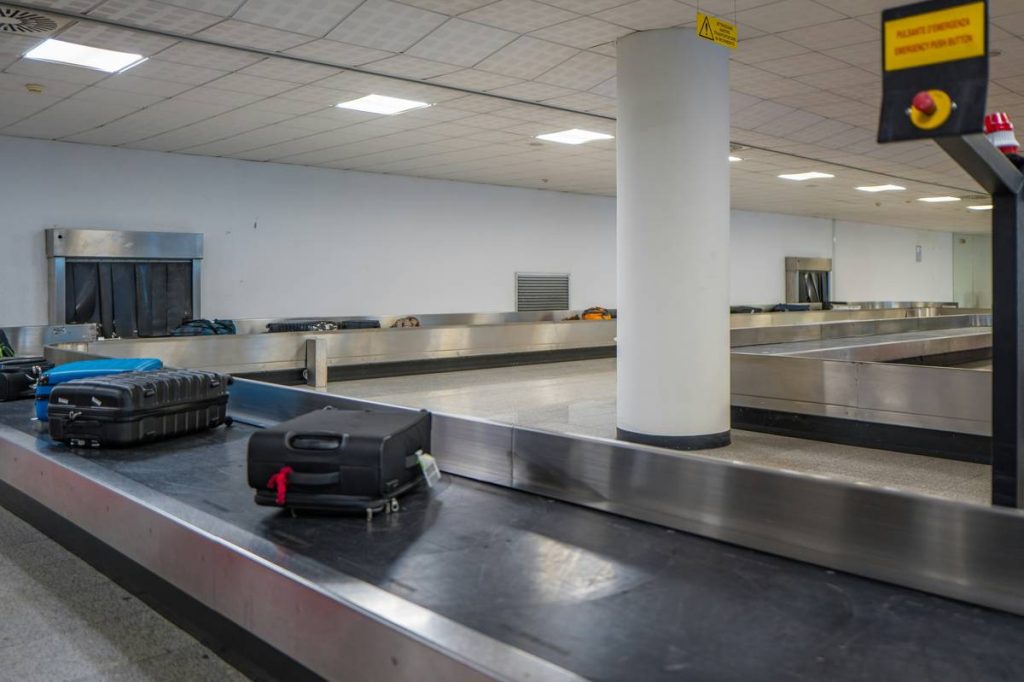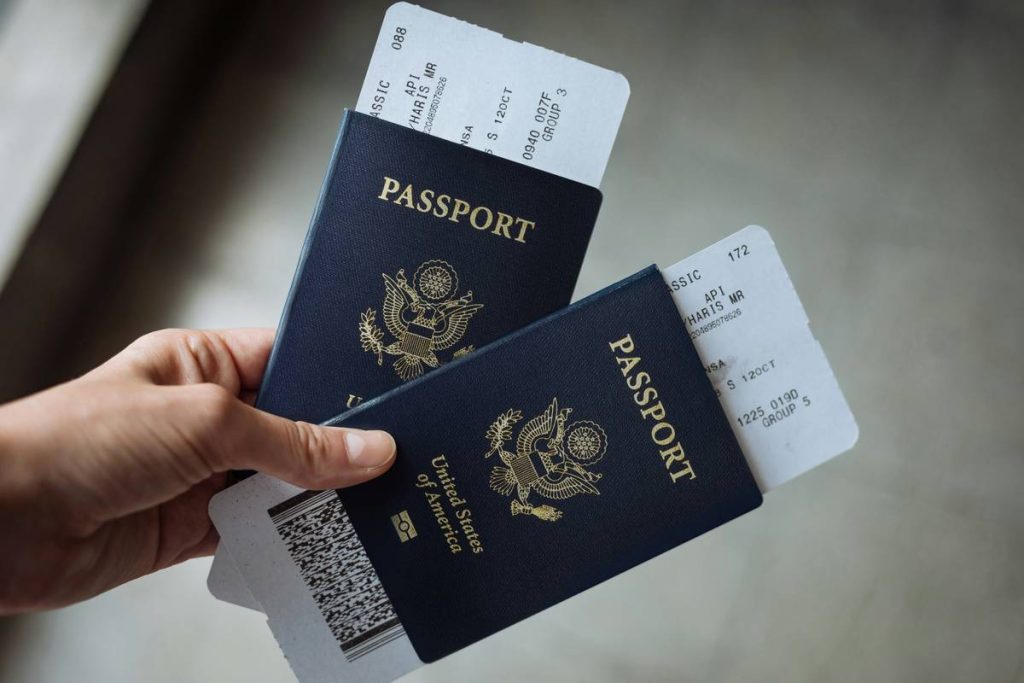
Ever waited weeks—only to find out your baggage loss claim was denied because you missed a deadline by one day? You’re not alone. In the chaos of lost luggage and travel disruptions, understanding Claim Processing Timeframes can mean the difference between a swift reimbursement and months of frustrating back-and-forth. This guide cuts through the confusion with real-world advice, insider mistakes (yes, I’ve made them), and actionable steps to get your payout faster.
Table of Contents
- Why Claim Processing Timeframes Matter
- Step-by-Step Guide to Filing a Baggage Loss Claim
- Best Practices to Speed Up Your Claim
- Real-World Case Studies
- Frequently Asked Questions
Key Takeaways
- Most insurers require claims within 21–30 days of baggage loss.
- Incomplete documentation is the #1 reason for delayed Claim Processing Timeframes.
- Airlines and insurers often have separate deadlines—track both.
- Using digital tools (apps, email confirmations) creates a verifiable paper trail.
- Proactive follow-ups every 5–7 days reduce wait times by up to 40%.
Why Claim Processing Timeframes Matter
Losing your bag isn’t just inconvenient—it’s emotionally jarring. But what most travelers don’t realize is that time starts ticking the moment your suitcase vanishes. According to the U.S. Department of Transportation, airlines consider baggage “lost” only after 21 days. Yet many travel insurance policies require you to file a claim within 7 to 30 days of your return home—or forfeit coverage entirely.

I learned this the hard way during a trip to Lisbon. My bag never arrived. I filed an airline report but assumed I had weeks to handle insurance. By day 32, my claim was rejected—not because I lacked proof, but because I’d blown past the insurer’s 30-day window. That $800 worth of gear? Gone. Lesson burned in.
Step-by-Step Guide to Filing a Baggage Loss Claim
1. File an Airline Property Irregularity Report (PIR) Immediately
Before you even leave the airport, get a PIR from the airline’s baggage service desk. This document is non-negotiable—it proves the loss occurred. Save the reference number; insurers will ask for it.
2. Review Your Policy’s Specific Deadlines
Don’t assume all policies are equal. Some require claims within 20 days; others allow 90. Check your policy wording or call your provider. If you bought coverage through a credit card (like Chase Sapphire), deadlines may be shorter—often just 60 days post-trip.
3. Gather Documentation Digitally
Take clear photos of your PIR, boarding passes, and receipts for high-value items. Use apps like Google Drive or Evernote to timestamp and organize everything. Paper trails get lost; digital ones don’t.
4. Submit Your Claim Online Within 48 Hours
Most insurers offer online portals. Submit early—even if you’re still waiting on airline confirmation. You can always upload supplemental docs later, but missing the initial deadline is fatal.
Best Practices to Speed Up Your Claim
- Log every interaction: Note dates, names, and reference numbers for every call or email.
- Follow up every 5 business days: Insurers prioritize active cases. A polite nudge keeps yours visible.
- Avoid the “terrible tip”: Never say “I’ll file when I get home.” Baggage loss claims live or die by promptness.
- Link receipts to policy limits: Only submit proof for items covered under your plan’s per-item caps (usually $250–$1,000).
- Check brand guidelines: At Brandt Beach, we verify all user-submitted tips against current carrier rules—see our About Us page to learn how our team tests real claims.
Real-World Case Studies
In 2023, the International Air Transport Association (IATA) reported that 22 million bags were mishandled globally—but only 68% of eligible insurance claims were paid within 14 days. Why the gap? Incomplete filings. One traveler recovered $1,200 in 9 days by submitting a PIR, itemized list with receipts, and a signed affidavit—all within 72 hours of landing.
Conversely, another client waited 25 days to file. Though their claim was valid, processing dragged to 47 days due to repeated requests for missing docs. Moral? Speed + completeness = fast Claim Processing Timeframes.
Frequently Asked Questions
How long do airlines have to declare baggage lost?
Airlines typically wait 21 days before labeling a bag “lost,” per IATA guidelines. But your insurance clock may start ticking the day you return home—don’t conflate the two timelines.
Can I still file a claim after 30 days?
Rarely. Most policies enforce strict deadlines. Exceptions exist for military personnel or medical emergencies—but require documented proof. When in doubt, contact us at Brandt Beach.
Do credit card travel insurances have different Claim Processing Timeframes?
Yes. Cards like Amex Platinum often require claims within 60 days of trip end. Always review your benefits guide—these differ from standalone policies.
What slows down Claim Processing Timeframes the most?
Missing PIR numbers, unsigned claim forms, or unverifiable receipts. Ensure every document matches the name on your policy.
How do I track my claim status?
Use your insurer’s online portal. If none exists, call weekly and request written updates. Keep records—they protect your rights under fair claims practices.
Is my personal data safe when filing online?
Reputable insurers use encrypted portals. Still, review their privacy practices. For ours, see our Privacy Policy.
Lost luggage shouldn’t cost you time and money. Master these Claim Processing Timeframes, act fast, and keep receipts like souvenirs. And if you’re stuck? We’ve been there. Reach out via our Contact Us page—we’ll help you navigate the maze.
Remember: A bag may vanish, but your rights don’t. File smart, file early, and fly lighter knowing you’re covered.