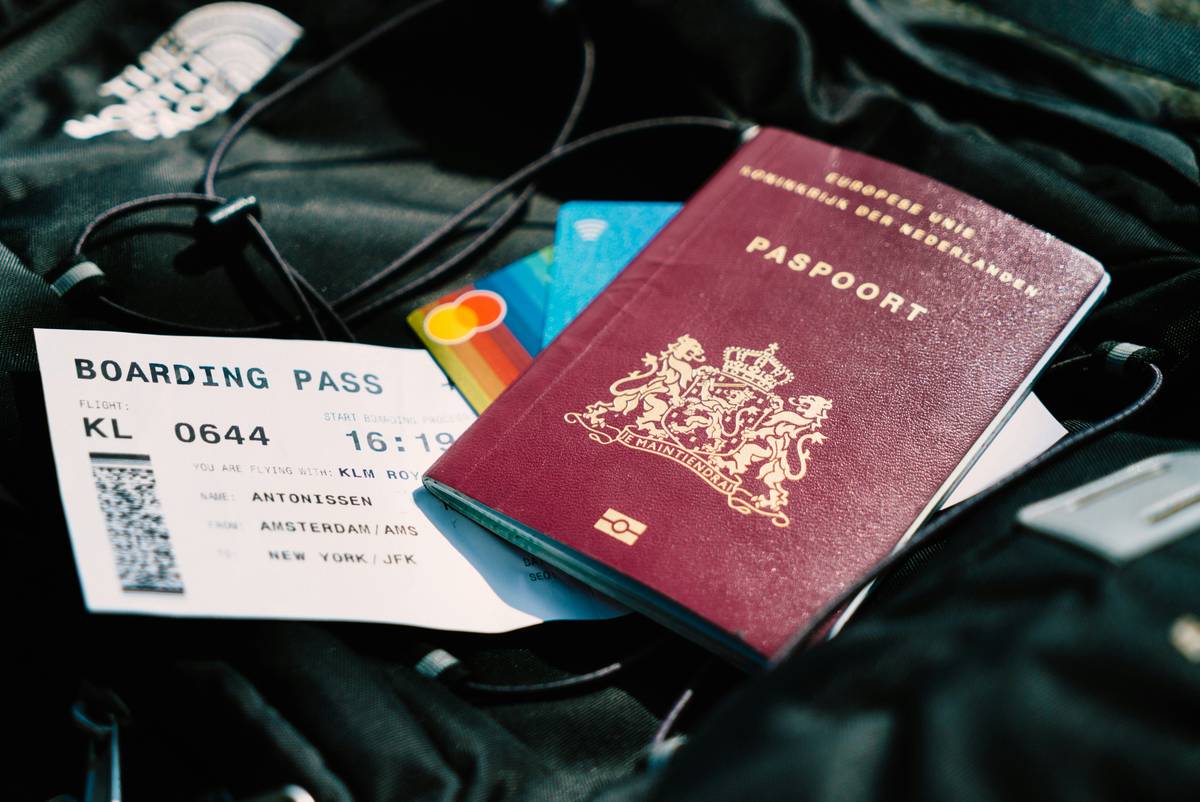
If your suitcase vanishes at the airport, will your travel insurance actually cover it—or leave you stranded with nothing but a claim denial? You’re not alone. Most travelers assume “baggage loss” means full reimbursement, only to discover their policy’s Policy Exclusions List voids coverage for everyday scenarios like delayed flights or unattended bags. I learned this the hard way when my duffel—stuffed with hiking gear—disappeared during a layover in Frankfurt. My insurer? Denied the claim because I hadn’t “reported it within two hours.” Turns out, that window wasn’t even in my main policy—it was buried deep in the exclusions.
This guide cuts through the fine print. We’ll decode what baggage loss insurance really covers, spotlight the most overlooked exclusions, and arm you with actionable steps to avoid devastating gaps. Whether you’re packing for Bali or Barcelona, knowing your Policy Exclusions List could save hundreds—even thousands.
Table of Contents
- Why Baggage Loss Exclusions Trip Up Even Savvy Travelers
- How to Review Your Policy Like a Claims Adjuster
- 5 Must-Know Best Practices Before You Fly
- Real-World Scenarios: When Claims Succeed (or Fail)
- Frequently Asked Questions
Key Takeaways
- The average denied baggage claim involves an exclusion the traveler never read—like items left unattended or losses during domestic segments.
- Always verify reporting timeframes; some policies require notification within 4–24 hours, not days.
- High-value items (cameras, jewelry) often need separate riders or aren’t covered at all.
- Your Policy Exclusions List is legally binding—ignorance isn’t a defense.
Why Baggage Loss Exclusions Trip Up Even Savvy Travelers
Baggage loss insurance sounds straightforward: lose your bag, get paid. But the devil’s in the details—and those details live in the exclusions. According to the U.S. Department of Transportation, airlines reported over 680,000 mishandled bags in Q3 2023 alone. Yet many travelers file claims only to hit walls like “items not packed in checked luggage” or “loss occurred outside international flight segments.”
I once assumed my $1,200 camera would be covered if my bag went missing. It wasn’t—because my policy excluded “electronic equipment” unless pre-declared. No warning. No email. Just a cold denial letter referencing Section 8(b) of the Policy Exclusions List.
How to Review Your Policy Like a Claims Adjuster
Don’t just skim. Hunt for these red flags:
1. Locate the Full Exclusions Document
Your summary brochure won’t cut it. Download the complete policy wording—often labeled “Master Policy” or “Certificate of Insurance”—from your provider’s website. The real Policy Exclusions List hides here.
2. Scan for Time Limits
Many policies require you to report loss immediately or within 24 hours. Miss it, and coverage evaporates. One client missed by 90 minutes—and lost $800 in reimbursement.
3. Check Item-Specific Caps
Even if covered, items like laptops or designer clothes may have sub-limits ($200 per item is common). If your policy caps “electronics” at $300 total, that new drone? Not fully protected.
5 Must-Know Best Practices Before You Fly
- Take photos of packed items. Proof of ownership speeds up claims and counters “unverifiable loss” denials.
- Never leave bags unattended. Most policies void coverage if luggage is “unsecured” or left in a public area—even for seconds.
- Avoid the “terrible tip”: “Just buy the cheapest policy.” Ultra-low premiums often mean skeletal coverage and brutal exclusions.
- Verify domestic vs. international rules. Some plans only cover losses on international legs—not your connecting U.S. flight.
- Link high-value items to receipts. Keep digital copies in your email; insurers often demand proof of purchase.
Real-World Scenarios: When Claims Succeed (or Fail)
Success: Maria filed within 12 hours of her bag vanishing in Tokyo. Her policy covered $1,500 because she’d reviewed the Policy Exclusions List, avoided prohibited items, and had itemized photos.
Failure: Tom’s ski boots were stolen from his hotel lobby. Denied—his policy excluded “theft from non-airport locations.” He’d assumed “baggage loss” meant anywhere.
Data from Squaremouth shows 38% of baggage claims are denied due to exclusion violations—not fraud or exaggeration. The fix? Read before you pack.
Frequently Asked Questions
What’s typically NOT covered in baggage loss insurance?
Common exclusions include cash, passports, eyeglasses, perishables, and items carried on (not checked). Always check your specific Policy Exclusions List.
Does travel insurance cover delayed baggage?
Often, yes—but only after 12–24 hours and only for essential purchases (toothbrushes, underwear), not replacements. Read your policy’s delay section carefully.
Can I dispute a denied baggage claim?
Yes. Cite specific policy clauses, provide evidence (photos, receipts), and reference airline reports. Our contact page offers claim appeal guidance.
Are pre-existing damage or wear-and-tear covered?
No. Insurers exclude damage from “inherent vice” (e.g., a worn strap snapping). Pack securely—and honestly assess item condition.
How do I find my insurer’s full exclusions list?
Search “[Insurer Name] + master policy PDF” or log into your account portal. If unavailable, email support—they must provide it by law.
Is baggage insurance worth it for short trips?
Only if you’re carrying valuable or irreplaceable items. For weekend getaways with basic clothes, airline compensation (up to $3,800 internationally per Montreal Convention) may suffice.
Knowledge beats luck every time. Don’t let hidden clauses rob you of peace of mind—or your gear. Got questions about your specific plan? Reach out to our team for a no-pressure review. And remember: trust, but verify. Especially when it comes to your personal data and coverage terms. For more on our mission, visit our About Us page.
Suitcase gone? Policy silent? Read first—fly smarter.